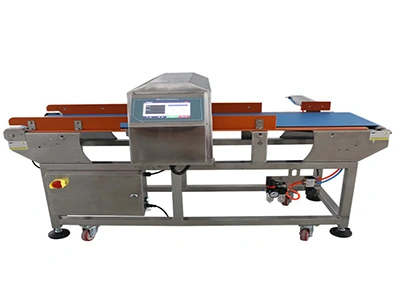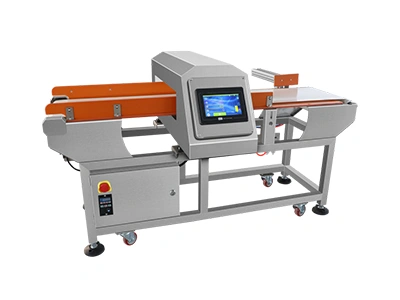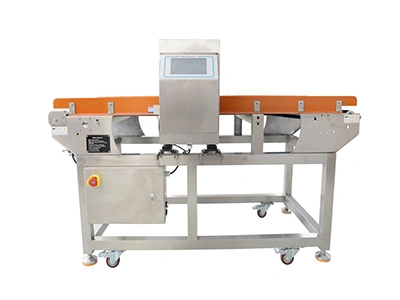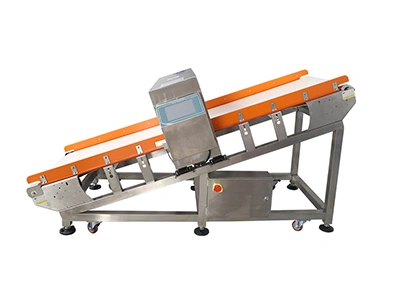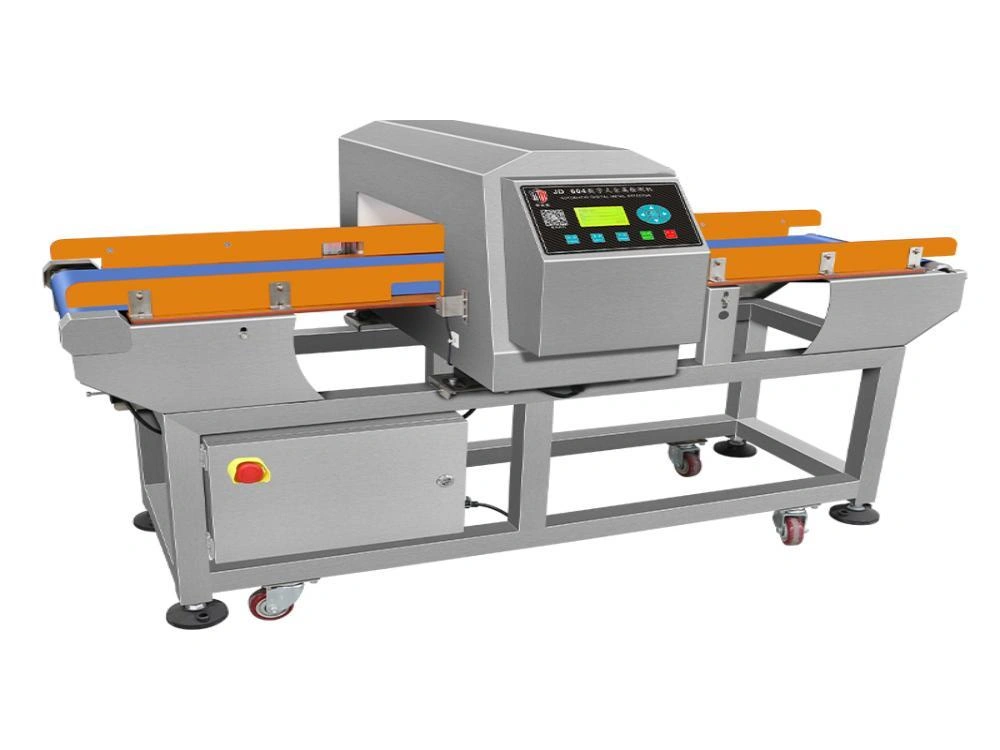
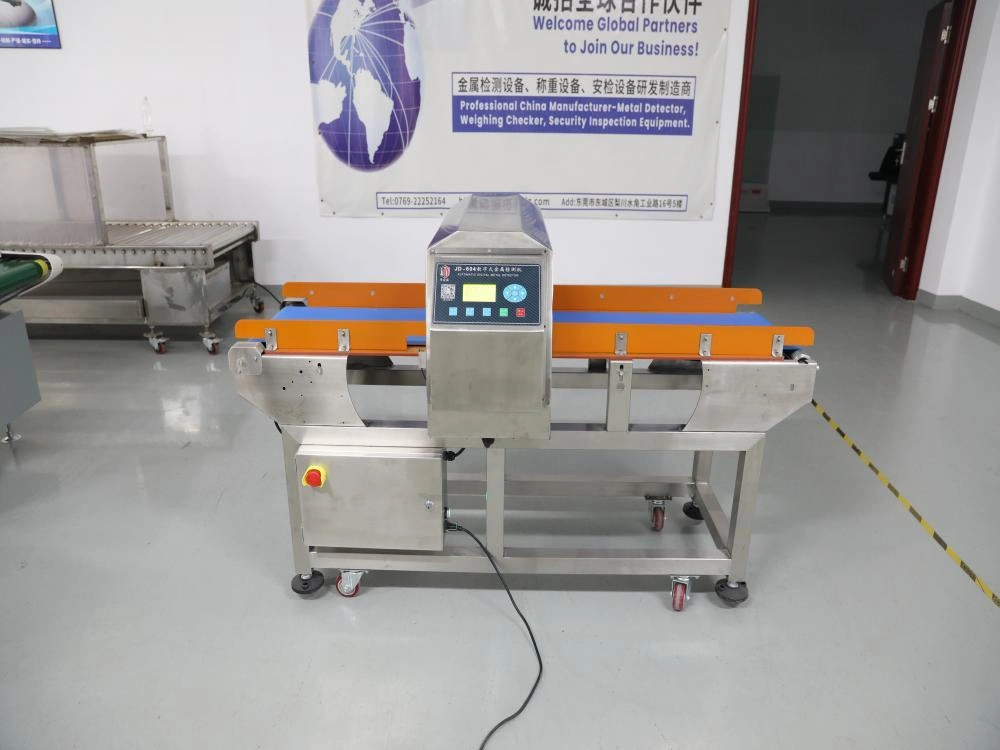
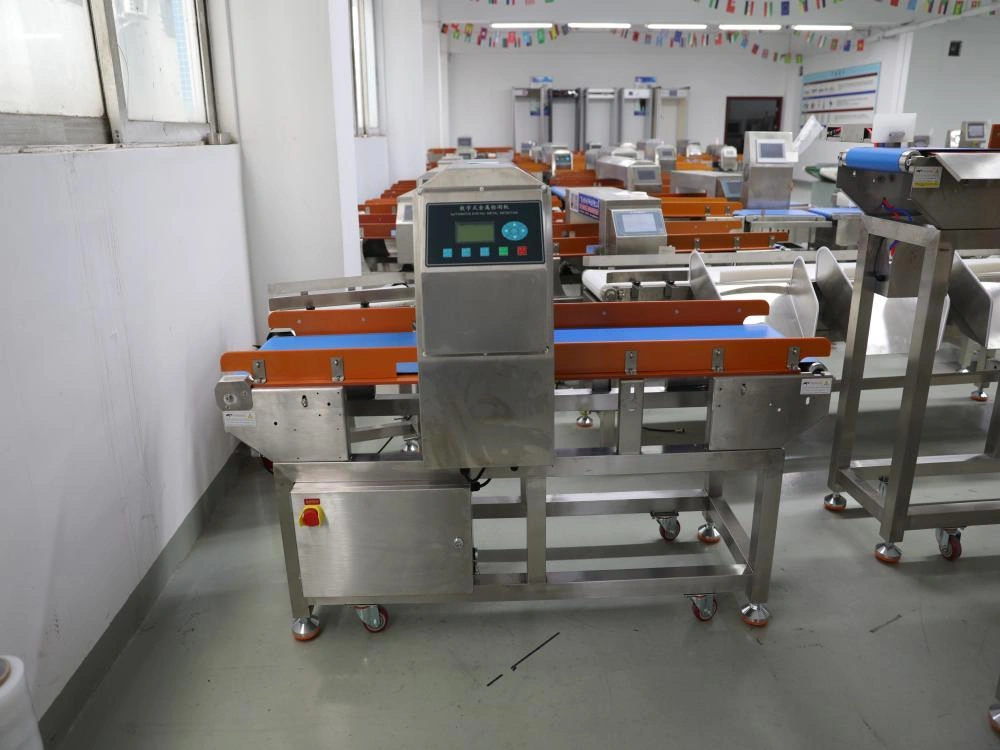
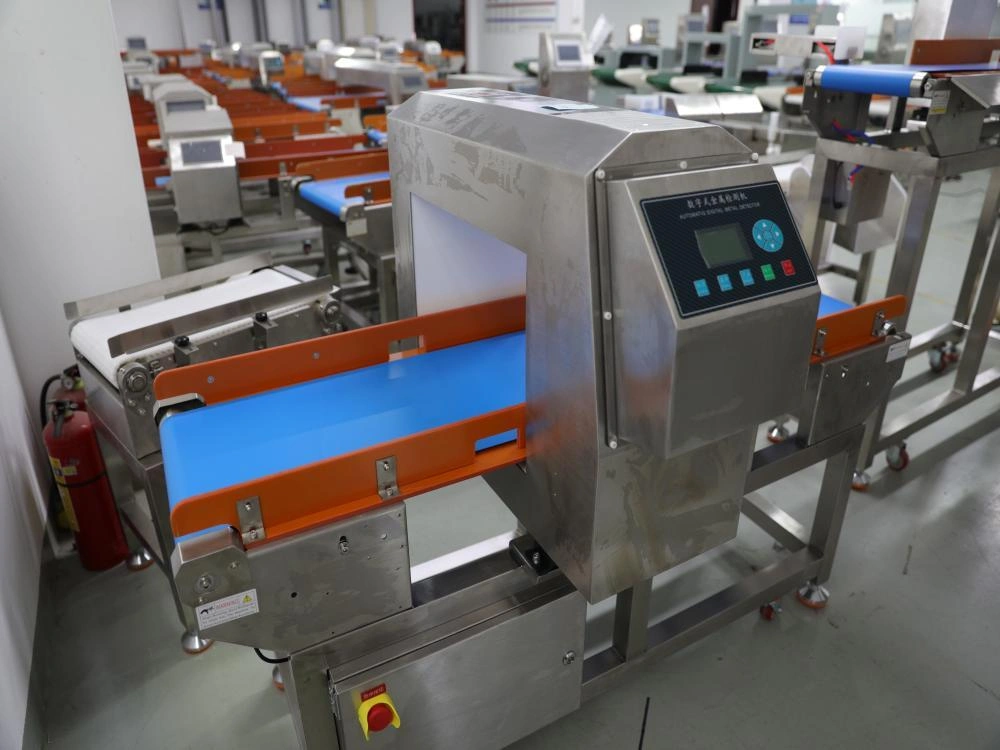
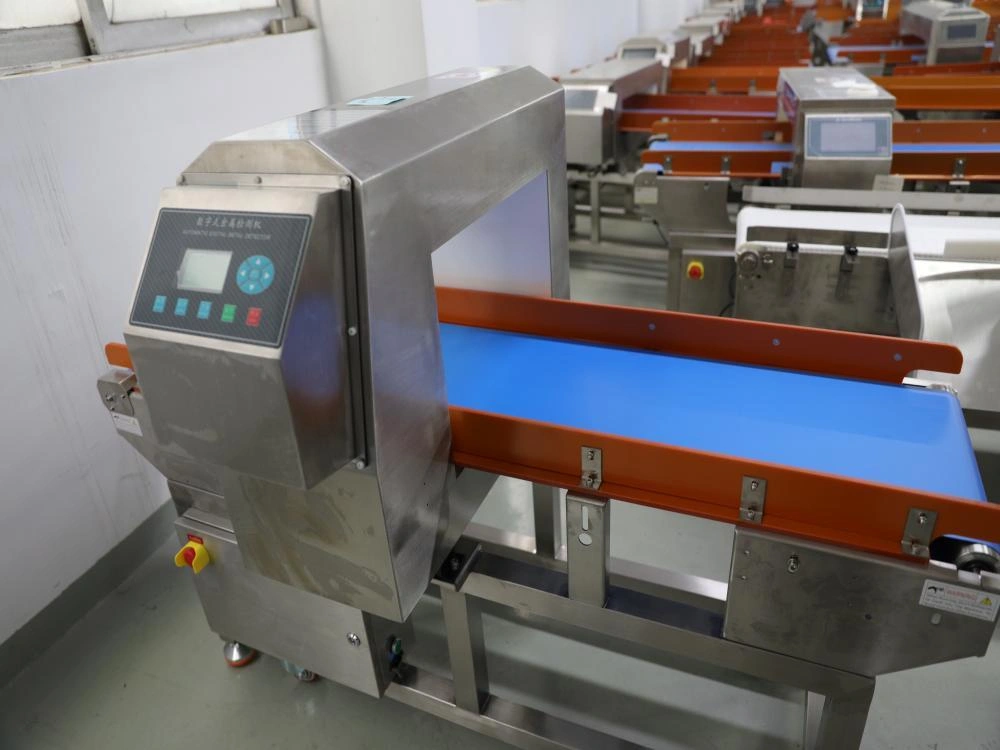
JD-604
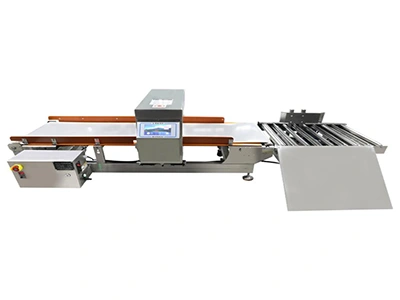
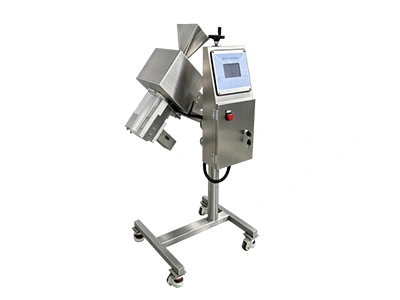
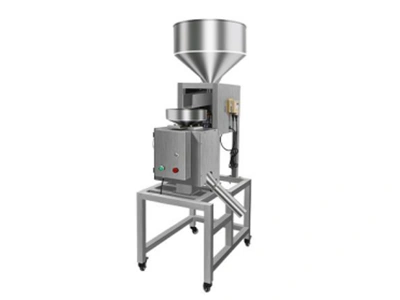
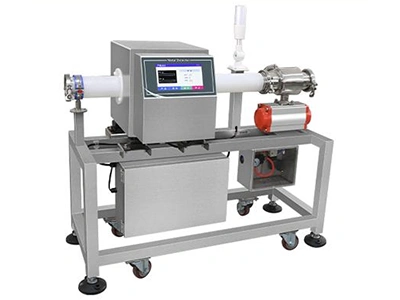
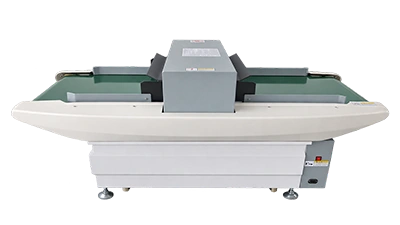
Conveyor Metal Detector
Stainless steel fragments, copper chips, and iron filings are introduced into food through the packaging stage, processing equipment, or raw materials. Some of it is trapped by spot checks. The JD-604 conveyor metal detector continuously inspects each item as it progresses down the line.
- Detection Accuracy: Iron (Fe) ≥ 0.5–2.0 mm
- Copper (Cu): ≥ 1.0–2.0 mm
- Stainless Steel (SUS304): ≥ 1.0–3.0 mm
- The inspection is conducted on each and every product, not just a sample. Metal contaminants can be detected during production, helping reduce the risk of contaminated products reaching consumers, as each item on the belt passes through the aperture.
- Continuous operation. The product is transported through the detection zone by the conveyor without interruption to production.
- Fits your existing production lines. The line height is changeable from 500 to 1,500 mm, and the belt speed is adjustable from 15 to 40 m/min via VFD, which covers the majority of existing food conveyor layouts and connects to automatic reject systems.
- The detection system generates a balanced electromagnetic field as the product enters the aperture on the conveyor belt.
- The signal is altered by a ferrous, non-ferrous, or stainless steel contaminant.
- The system analyses the change, identifies the metal, and activates an audible and visual alarm, as well as the automatic rejector if it is fitted.
| Item | JD-604 Conveyor Metal Detector |
| Detection principle | Electromagnetic induction |
| Detectable metals | Iron (Fe), copper (Cu), stainless steel, etc. |
| Construction | SUS304 stainless steel |
| Line height | 500–1,500 mm |
| Detection sensitivity | Fe 0.5–2.0 mm; SUS304 1.0–3.0 mm; Cu 1.0–2.0 mm |
| Performance | Actual performance is confirmed by sample testing and depends on product height, packaging material (e.g. plastic bags or cartons), product temperature and humidity, and conveyor speed. |
| Conveyor speed | 15–40 m/min, adjustable via VFD |
| IP rating | IP65 |
| Power | Standard AC 220 V, 50/60 Hz (AC 110 V or AC 380 V on request) |
-
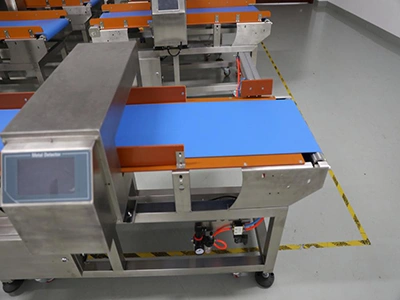 Pusher Rejector
Heavier, stably packed products: vacuum-packed meat, frozen foods, bread, pharmaceutical packs. A pneumatic cylinder pushes the rejected product off the main conveyor.
-
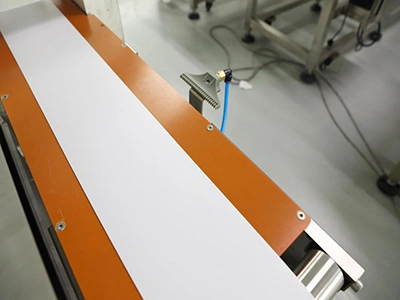 Air-Blast Rejector
Light products on fast lines: tea, seasonings, small food pouches.
A high-speed air jet blows the rejected product clear of the conveyor. -
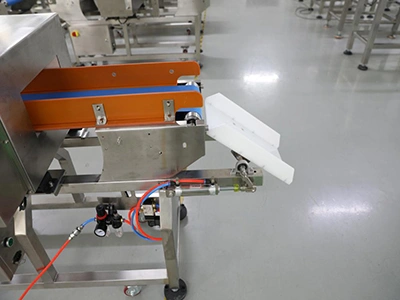 Flap Rejector
Medium-weight products whose packaging must stay intact: chocolate boxes, cartoned foods, frozen packs. A flap changes the product's conveying direction, diverting it smoothly without collisions.
-
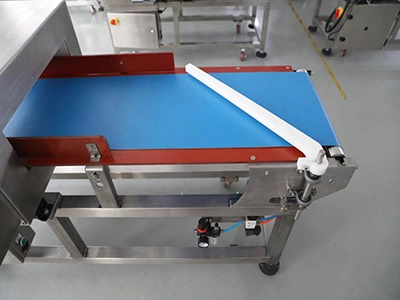 Flipper Rejector
Small to medium packs: biscuits, tea, pharmaceutical packs. A flipper sweeps the rejected product off the main conveyor.
-
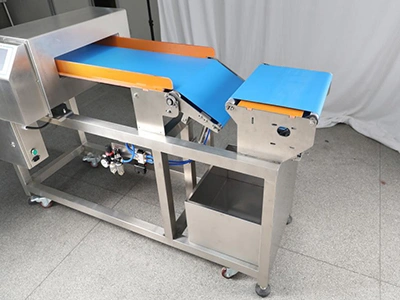 Mid-Section Lift Rejector
Vacuum-packed and high-value foods where appearance and packaging matter. The middle conveyor section raises or lowers so the product leaves the line gently, minimizing impact and pack damage.
-
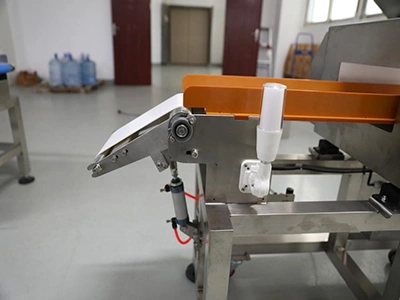 End-of-Line Lift Rejector
Heavy products that need their packaging protected: steaks, large food bags, gift boxes. The end conveyor section raises or lowers to change the product's direction.
-
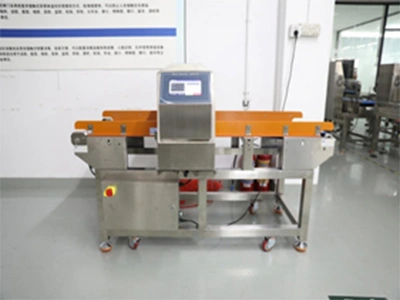 Conveyor Stop Alarm
Flour sacks, rice bags and other large-format products. The conveyor stops and an alarm sounds so an operator can remove the product by hand.
Most providers list fewer than seven possibilities. The practical benefit is that the reject method may be tailored to the pack rather than the pack being pushed onto whatever rejector is available, which is especially important for vacuum packs, gift boxes, and other products where a rough rejection harms salable goods.
- Aperture size
- Belt width and length
- Conveyor height
- Reject collection bin
- Belt material
- Adjustable conveyor speed
- IP65 / IP66 / IP69K protection
- Automatic rejector
- SUS304 / SUS316 stainless steel construction
- Audible and visual alarm
- Power supply to local standard