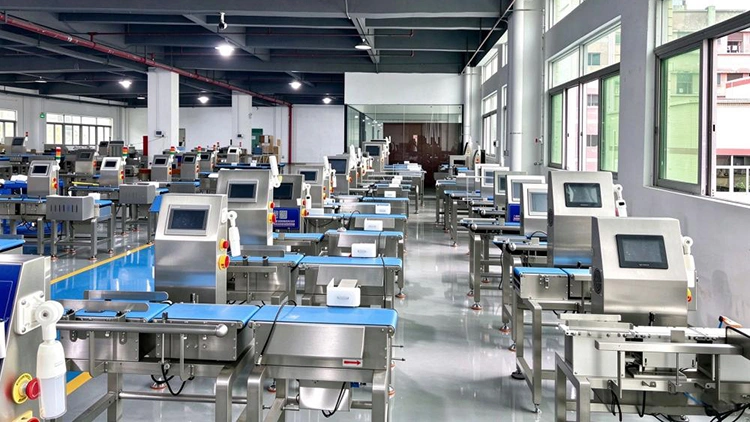
Metal Detection Systems

Inspection solutions for metal contaminants in packaged products, powders, granules, and pipeline materials across food, pharmaceutical, plastics, chemical, and packaging industries.

Conveyor and Tunnel Metal Detectors

Conveyor and tunnel metal detectors carry out in-line metal detection as products pass through the aperture. Industrial metal detectors use electromagnetic induction technology to identify ferrous, non-ferrous and stainless steel contaminants in products or raw materials. Depending on what the application calls for, the system can trigger an alarm, stop the conveyor, or activate an automatic reject mechanism (rejector).
These in-line metal detectors can inspect raw materials, in-process products and packaged finished products.

Actual detection sensitivity is affected by:

  • aperture size
  • product effect
  • packaging material
  • temperature and humidity
  • conveyor speed

For that reason, results from standard test pieces and customer samples should be used as the basis for evaluation, rather than a catalog figure.
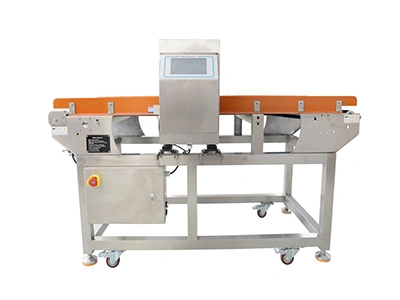
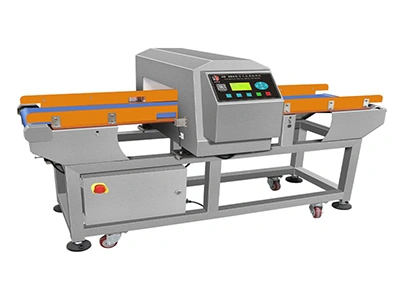
    1. Tunnel Metal Detector
      JD-603 Tunnel Metal Detector

      There are three methods by which metal is introduced into food, pharmaceutical, and chemical products: it is introduced through manual handling, it is worn off the processing equipment, or it is introduced with the raw material.

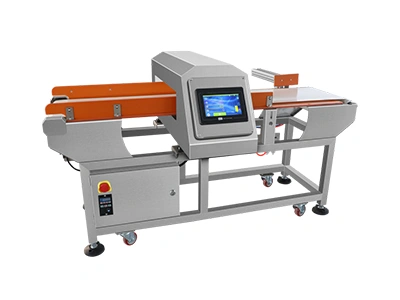
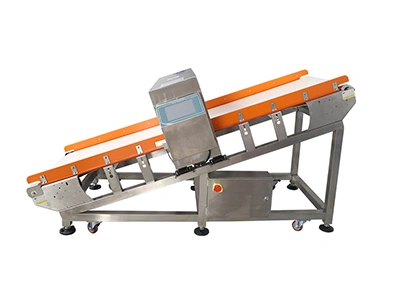
    1. Inclined Conveyor Metal Detector
      JD-603 Inclined Conveyor Metal Detector

      The production environment and equipment degradation can introduce iron, copper, and stainless steel contaminants during the production process.

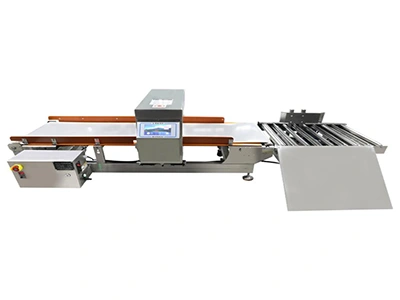
    1. Roller Conveyor Metal Detector
      JD-603 Roller Conveyor Metal Detector

      Boxed and bagged products are frequently transported on roller conveyors during the production and packing process. Despite this, in-line metal inspection is still required for these lines.

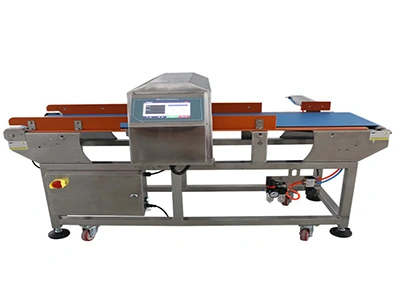
    1. Conveyor Metal Detector
      JD-604 Conveyor Metal Detector

      Stainless steel fragments, copper chips, and iron filings are introduced into food through the packaging stage, processing equipment, or raw materials. Some of it is trapped by spot checks.

    1. Metal Detector with Pusher Rejector
      JD-605 Metal Detector with Pusher Rejector

      By itself, the detection of iron, copper, aluminium, and stainless steel contaminants is insufficient for products with stable packaging and a specific weight.

    1. In-Foil Metal Detector
      JD-606 In-Foil Metal Detector

      In the food and pharmaceutical industries, an increasing number of products are packaged in aluminium foil, including bagged foods, condiments, nuts, coffee, and similar items.

About Us

JINDUN designs and manufactures inspection equipment for the food, pharmaceutical, plastics, and packaging industries. With a range of inspection technologies and configurable equipment options, we help manufacturers address different inspection needs, integrate equipment into existing production lines, and maintain quality control throughout production.

Frequently Asked Questions
How do I choose the right metal detection equipment?

Selection should be based on product form, packaging material, product dimensions and weight, production speed, installation space, the target metal types, and the reject mechanism your line requires. Send us these details and we will recommend a configuration.

Can detection sensitivity be guaranteed based solely on the values in the catalog?

No, and no honest supplier can. Catalog values are for reference only. Actual results are affected by aperture dimensions, product effect, packaging, temperature, humidity and speed. Acceptance should be based on tests using standard test pieces and your own samples.

How is the equipment integrated into an existing production line?

It is customized to your site conditions: conveyor height, direction, width and speed, plus the upstream and downstream interfaces. It can be configured with an alarm, a conveyor stop, or an automatic rejector.

Can it be used in humid or cleaning environments?

Yes, with the right protection level, but that level has to be confirmed for the whole machine rather than the frame alone. The overall machine structure, touchscreen, motors, photoelectric sensors (where fitted), junction boxes and pneumatic components all have to be confirmed together. A stainless steel body on its own does not make a machine wash down-ready.

Looking for the Right Inspection Solution?

Tell us about your product, production line, and inspection requirements. Our team will help you find a suitable inspection solution.